


🇯🇵 日本語版は記事の下部にあります / Japanese version available below
Kyoto is one of Japan’s most popular destinations, rivaling Tokyo for international tourists. Millions arrive each year in search of UNESCO World Heritage temples and a city whose memory stretches back over a thousand years. Most come expecting an encounter with old Japan.
That is what makes Matsui Shuzo so striking, in the best possible way.
The brewery sits in the center of Kyoto, about twenty minutes from Kyoto Station by train. Nestled between the Higashiyama mountain range and the Kamo River, with the Imperial Palace and Shimogamo Shrine to the west, it is one of only two breweries said to remain within Kyoto’s central urban area, alongside Sasaki Shuzo.
Follow the address and you arrive at what looks like an ordinary apartment block. The brewery occupies part of the ground floor. Without a sign, you could walk straight past. Step inside, and the picture shifts: modern equipment, brewery tours available in both Japanese and English, and depending on the time of day, more foreign visitors than Japanese ones. The overall impression is of a brewery that has made itself genuinely open.
A 300-Year History, and a Return
Matsui Shuzo was founded in 1726, giving it nearly three centuries of history. The brewery began in Kasumi, Hyogo Prefecture, before relocating to Kyoto. The current address in Yoshida-Kawaracho dates to around the time of the thirteenth-generation owner.
Brewing here came to a halt when railway extension work in the area raised concerns about the impact on the local groundwater. Water is fundamental to sake production, and the risk was not one to ignore. The brewery decided to move to Fushimi, the well-known sake-producing district in southern Kyoto, and production continued there as a cooperative brewing arrangement for a period.
Matsui Shuzo today is managed by the fifteenth-generation owner, Jiemon Matsui. In 2009, Matsui Shuzo returned to the current location. The motivation was simple: to brew on their own terms again in the same place.
The restart involved significant changes. The well was dug deeper to secure a stable supply of high-quality soft water. The ground floor was converted into a working brewery, fitted with compact equipment and climate control. The traditional seasonal brewing model, which limits production to winter, was replaced with year-round brewing.
That shift also makes it possible to supply the brewery’s core product, unpasteurized sake (namazake), requiring refrigeration, fresh throughout the year.
Matsui Shuzo is not simply making do with its unusual setting in the apartment. It has built a brewing style around it.
Brewing Tour
The tour begins with a hair cap. Strict hygiene is standard in any food production environment, but the small ritual of putting one on has a way of reorienting you. You are about to enter a working production facility.
The tour follows the brewing process in sequence: rice washing and steaming, then the koji room where the koji rice is made. At the fermentation tanks, it is possible to compare a batch from just a few days into fermentation with one nearing completion. The difference in appearance and aroma is immediately obvious. The structure of the tour, following each step in order, makes the logic of sake production easy to grasp.
Next comes the pressing stage, where the fermented moromi mash is separated into sake lees (sake kasu) and the finished sake. The tour ends with bottling and the heat pasteurization step for some sakes that stabilizes the sake for storage.
Year-round brewing makes the tour considerably more vivid than it would otherwise be. At seasonal breweries, visiting outside the production window means looking at idle equipment. Here, the process is running. When the tasting follows directly afterward, the sake in the glass carries a context you have just witnessed.
Kagura: What the Brewery Puts in the Glass
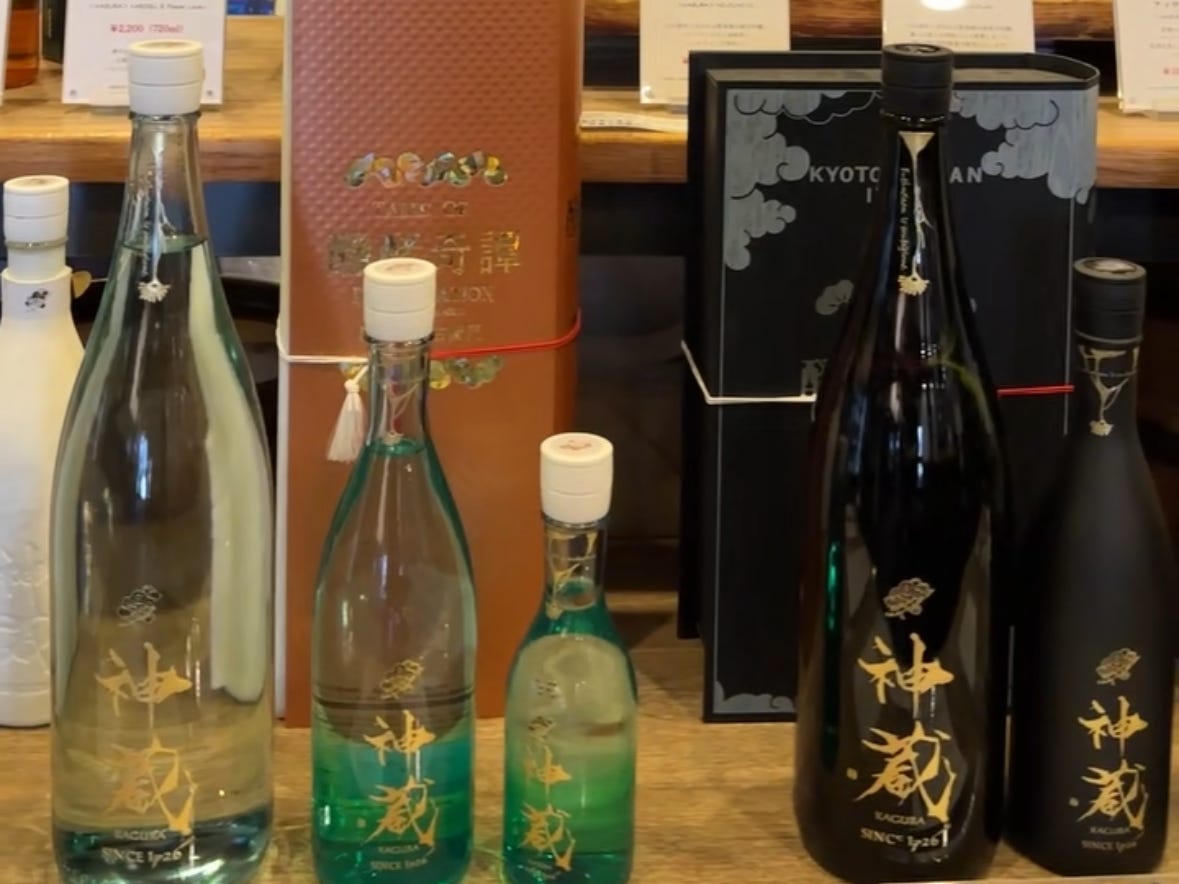
The flagship brand is Kagura (meaning “divine storehouse”). The core range is unfiltered, undiluted, and unpasteurized (muroka, genshu, namazake). Because it is unpasteurized, the sake requires refrigeration, and year-round production ensures it is always served fresh.
The brewing water is drawn from an on-site well drawing ultra-soft water, said to share the same underground vein as the three famous wells of the Kyoto Imperial Palace. Matsui Shuzo is currently the only brewery drawing on this particular water source. The soft, clean character of the water runs through the entire Kagura range.
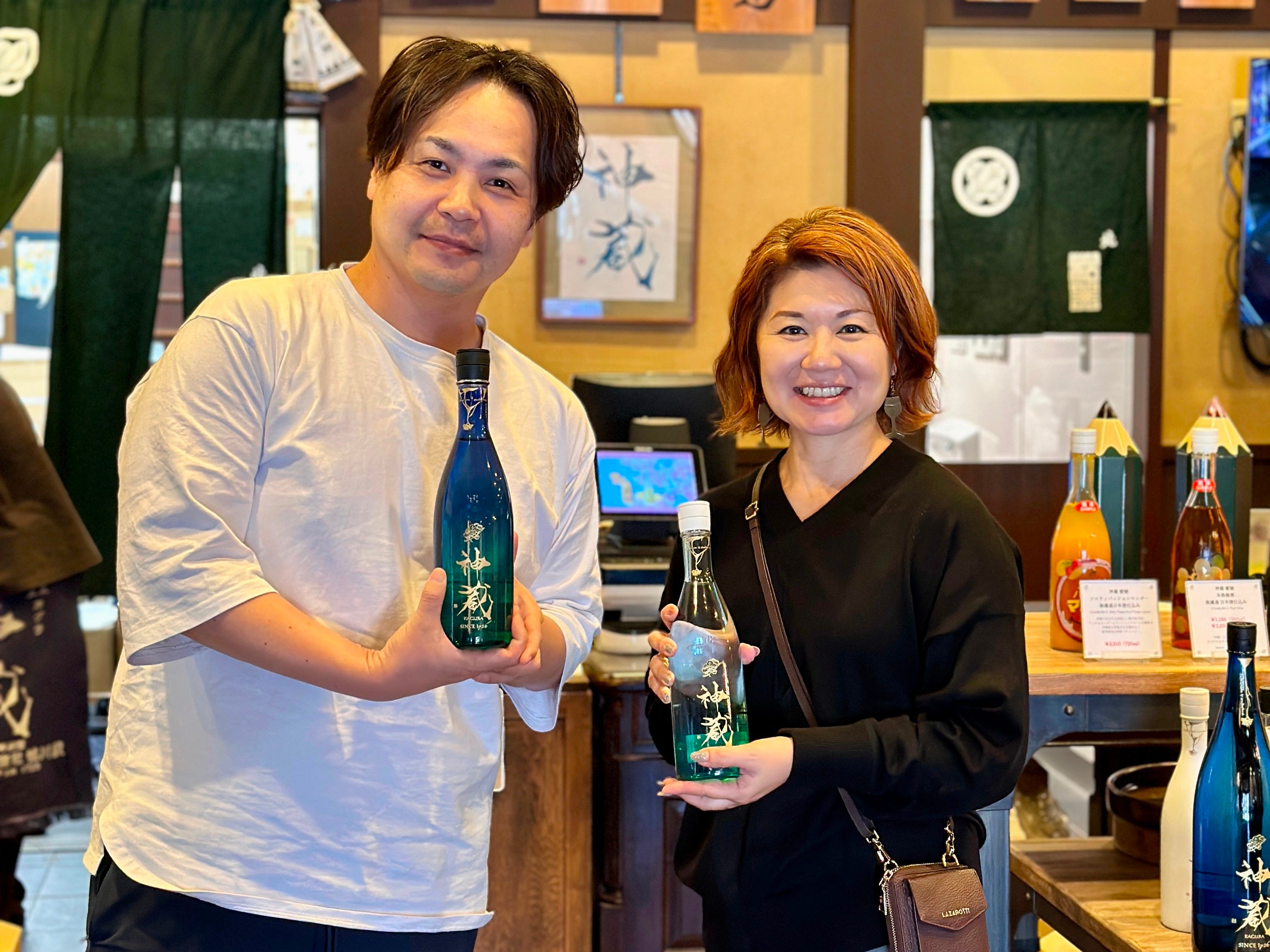
At the ground-floor tasting bar, a sake server allows visitors to try around twenty varieties in small pours. Impressions of the three bottles below.
Junmai Kagura, Muroka Genshu Namazake (Ruri / Lapis)
The entry point to the Kagura range, and food-friendly in style. Brewed from Kyoto-grown Iwai rice with an extended low-temperature fermentation averaging thirty-five days, around ten days longer than a typical junmai. The nose is gentle: a subtle lactic freshness, a hint of citrus. On the palate, the texture is rounded, rice umami and gentle acidity crossing each other, with a pleasant dryness that keeps the finish clean. Approachable for anyone new to sake or Kagura’s style, this is where to start.
Junmai Daiginjo Kagura, Muroka Genshu Namazake (Shiro / White)
The same Iwai rice, milled to 35%. Multiple award winner, including a silver at the International Wine Challenge in 2015. The nose opens with white flowers, sweet and fresh, rising cleanly. On the palate, the complexity arrives in layers: sweetness, acidity, and a gentle bitterness, none dominating. The soft water shows clearly here, keeping the texture smooth despite the concentration. A fresh acidity draws you back for the next sip, and the rice character spreads slowly. The finish holds. This is Kagura at full expression.
Junmai Daiginjo Kagura, Muroka Genshu Namazake (Kuro / Black)
Where White uses Kyoto-grown Iwai, Black is built on Yamada Nishiki from Hyogo Prefecture, also milled to 35%, fermented with the brewery’s own proprietary yeast. It has won at the National New Sake Competition, Japan’s most prestigious sake award. The color is a faint gold. The ginjo aroma is present but turned inward, less fragrant than White, more restrained. On the palate, the contrast with the fruity nose is clean and sharp: the texture cuts through, the finish is lean and precise. If White leads with the complexity of the rice, Black leads with clarity. What struck me most was how much two bottles at identical polishing ratios could differ, simply through the combination of rice variety, yeast, and water.
After the Tour: A Bar That Happens to Be a Brewery
After the tour, there were people at the bar counter who were clearly in no hurry to leave. They had ordered light snacks, settled in, and were working their way through the sake server at their own pace. The atmosphere was less brewery visit, more neighbourhood bar. Easy to drop into, easy to stay in. For a Kyoto itinerary built around cultural depth, this is what a well-placed stop looks like.
Matsui Shuzo also makes gin and rum. The path to distilling began during the COVID-19 pandemic, when rising demand for medical-grade alcohol created an opening to obtain a spirits production license. Tourism collapsed, restaurant orders dried up, and the brewery took a serious hit. The owner’s response was to treat the disruption as an opportunity. “Let’s try distilling.” Easier said than done: moving from brewing to distilling took considerably longer than planned, and the first release was delayed well past the original schedule. The result, though, is a craft gin built on a base spirit redistilled from sake lees (sake kasu), layered with juniper berry, lemon, sesame, and shiso from Ohara. It is called Kyoto Gin Rinne (meaning “reincarnation”). The name fits: the sake-making process generates the base, and the gin completes the circle.
A Final Note
Most visitors to Kyoto look for Japan’s depth through old buildings, stone paths, and temple gardens. That instinct is not wrong. But places like Matsui Shuzo add another dimension.
A brewery founded in 1726 gave up brewing on this site, then came back in 2009. When the pandemic shut down tourism, it moved into a new category of production entirely. Each time, rather than being defined by the constraint, it found a different direction. That accumulated resourcefulness is present in the small ground-floor space, whether you register it consciously or not.
Knowing that history changes how the sake tastes, or at least how you receive it. The weight of continuing to brew in an old city, and the lightness with which the brewery carries it, are both there.
Getting there is straightforward: around twenty minutes from Kyoto station. Tours are ticketed and available in Japanese and English. Check the official website for reservation requirements.
If you are going to Kyoto, it is worth the detour.
Matsui Shuzo at a Glance
• Founded: 1726 (Kyoho 11)
• Address: 1-6 Yoshida-Kawaracho, Sakyo-ku, Kyoto
• Flagship brand: Kagura (Kamikura)
• Tours: Japanese and English, ticketed (check website for reservations)
• Access: approx. 10 min walk from Keihan Demachiyanagi Station; approx. 1 min from Kawabata-Ichijo bus stop
How to obtain in the Netherlands: Kagura is available in the Netherlands through Otemba Sake. Based in Amsterdam, they deliver carefully selected sake to Europe with proper temperature control.
I would like to thank Mr. Jiemon Matsui XV, the CEO of the Matsui Sake Brewery, and a brewer Mr. Morikami for sharing insightful stories during my visit, and to Otemba Sake for making this connection possible.
酒蔵インタビュー#13:松井酒造
京都の真ん中で、日本酒はこんなに開かれていた
京都は、海外旅行者にとって東京と並ぶ日本最大の目的地のひとつだ。世界遺産の寺社仏閣、石畳の路地、千年以上続く都市の記憶を求めて、毎年何百万人もの旅行者が訪れる。彼らの多くが期待するのは、古い日本との出会いだろう。
だから、松井酒造を初めて訪れたときの驚きは、なかなか言葉にしにくい。
場所は京都市左京区吉田河原町。京都駅から電車で20分前後の距離になる。東山三十六峰と鴨川に挟まれ、西には京都御所と下鴨神社を望む、京都の中心市街地に残る酒蔵は、現在は佐々木酒造と松井酒造の2蔵のみとされている。
住所を頼りにたどり着くと、そこにあるのは普通のマンションだった。1階の一部が蔵になっている。看板がなければ、通り過ぎてしまいそうなほど、ふつうの外観だ。一歩中に入ると、設備は現代的で、ツアーの案内が日本語と英語の両方で提供されており、訪れた時間帯によっては外国人旅行者の方が日本人より多い。京都観光の合間に立ち寄れる、開かれた蔵という印象だった。
松井酒造の歴史と再出発
松井酒造の創業は1726年、およそ300年の歴史を持つ蔵である。もともとは兵庫県の香住で始まり、その後京都へ移転。現在の吉田河原町に落ち着いたのは、13代目が当主を務めた頃だという。
しかしこの地での酒造りは、一度途絶えることになる。電鉄の延伸に伴う地下工事が周辺で行われた際、地下水への影響が懸念された。水の問題は日本酒造りの根幹に関わる。そのため蔵は京都南部の日本酒銘醸地として名の知れた伏見で合同醸造を行う時期を経ることになった。
その後、2009年に松井酒造はこの地へ戻ってきた。「もう一度同じ場所で」という思いが、再出発を後押しした。
再開にあたって、蔵は大きく変えられた。井戸を深く掘り直し、安定した質の良い軟水を確保した。1階を酒蔵として改装し、小型設備と空調を整え、通常冬に一度だけ醸造するスタイルから、通年醸造にも対応できる環境にした。また、通年醸造は松井酒造のメイン商品である生酒を、通年にわたって新鮮な状態で提供することを可能にした。
現在の松井酒造は、京都の都市部で酒造りを続けるための合理的な選択をするだけでなく、この環境を最大限活かして蔵のスタイルを伝えている。
醸造工程に沿った見学
見学はヘアキャップを受け取るところから始まる。衛生管理の徹底は、食品を扱う現場として当然のことだが、このひと手間で気持ちが切り替わる。「これから製造現場に入る」という感覚だ。
案内は醸造工程の順序に沿って進む。米を洗い、蒸す工程から始まり、発酵タンクへと続く。タンクでは、仕込んで数日目のまだ若い状態と、発酵が終わりに近づいた状態を実際に見比べることができた。見た目も香りも明らかに違う。説明を受けながら工程をたどる構成なので、酒造りの流れがイメージしやすい。
その後、上槽の工程へ。発酵を終えたもろみから酒粕と日本酒を分けるこの工程は、ワインでいえば圧搾にあたる。できあがった日本酒を実際に確認し、最後は瓶詰めと加熱殺菌(火入れ)の現場を見学して締めくくられる。
松井酒造が通年醸造を行っていることが、この見学をより充実したものにしている。季節限定の蔵では、製造していない時期に訪れると、設備を眺めるだけになることも多い。ここでは、稼働している現場を実際に見ることができる。見学後に試飲へと移る流れも自然で、飲みながら「さっき見た工程を経てきた酒だ」という実感が伴う。
神蔵KAGURA──京都の蔵が醸す酒
松井酒造の主力ブランドは「神蔵 KAGURA」だ。無濾過・無加水・生酒というスペックが主軸になっている。生酒であるため要冷蔵で、通年製造を生かして、常にフレッシュな状態で提供される鮮度を重視するスタイルといえるだろう。
仕込み水は敷地内の井戸「洗心井」から汲み上げた超軟水で、京都御所三名水と同じ地下水脈に由来するとされる。この水脈を使って酒を仕込む蔵は現在ここだけだ。柔らかく癖のない水の性格が、神蔵全体の飲み口に反映されている。
1階のテイスティングバー「酒中仙」では、日本酒サーバーを通じて20種類程の酒を少量ずつ試すことができる。印象に残った3本について記す。
純米 神蔵KAGURA 無濾過・無加水・生酒(ルリ)
神蔵の中でも特に食事との相性が良い純米酒。京都産「祝」米を使い、通常の純米酒より約10日長い平均35日の低温発酵で醸す。ほのかなラムネ様の香りに柑橘のニュアンス。口に含むと丸みある飲み口が広がり、米の旨味と穏やかな酸が交差する。心地よい渋みとともに、余韻はすっきりとクリーンに収まる。日本酒に慣れていない人にも、経験のある人にも受け入れやすいバランスで、蔵のスタイルを理解する入り口として選ぶなら、まずこの一本だと感じた。
純米大吟醸 神蔵KAGURA 無濾過・無加水・生酒(白)
こちらは同じ「祝」を35%まで精米した純米大吟醸。2015年のInternational Wine Challengeをはじめ複数の賞を受賞している。口に含むと白い花を思わせる甘く爽やかな香りが鼻腔に抜け、続いて甘・酸・苦・渋が層をなして口中に広がる。複雑でありながら香り高く柔らか。微かな酸が次の一口を促し、米の旨味が体に染み入るように広がる。余韻には凝縮感が残る。神蔵の最高峰ラインにふさわしい、透明感と奥行きを兼ね備えた一本だ。
純米大吟醸 神蔵KAGURA 無濾過・無加水・生酒(黒)
白が京都産「祝」を使うのに対し、黒は兵庫県産「山田錦」を35%まで精米した一本だ。松井酒造オリジナル酵母を使用しており、日本で最も有名な全国新酒鑑評会にも入賞している。うっすらと黄金色を帯びた液色が、まず目を引く。香りは甘く鼻腔に静かに漂う吟醸香で、白ほど華やかではなく、より内向きに凝縮されたような印象だ。口に含むと、フルーティな香りとは対照的に、すっきりと冴えた飲み口が広がる。キレがよく、淡麗な後口に仕上がっている。白が米の複雑さを前面に出すとすれば、黒は研ぎ澄まされた透明感を軸にした一本といえる。同じ精米歩合でも、米の品種と水の組み合わせがこれだけ異なる表情を生む、という点が興味深かった。
バーとして使える酒蔵、そしてジンへ
見学ツアーが終わったあと、1階の「酒中仙」でしばらく飲み続けている人がいた。カウンターに腰を落ち着けて、軽いおつまみを頼みながら、ゆっくりと杯を重ねている。その光景は、蔵見学の延長というより、一軒のバーに来たような雰囲気だった。観光客が立ち寄りやすく、そのまま長居もできる。日本文化を求める京都観光のオアシスとは、こういう場所のことかと思った。
松井酒造では、ジンとラムも製造している。製造を始めたのは、消毒用アルコール製造需要が高まったコロナ禍で、蒸留酒免許取得の機会がきっかけになった。観光客が激減し、レストラン需要も止まり、酒蔵として大きな打撃を受けたが、蔵元は「このチャンスに蒸留をやってみよう」と動いた。醸造酒の専門家が蒸留に挑むのは容易ではなく、発売は当初の予定より大幅に遅れたという。しかし、その試行錯誤の末に生まれたクラフトジンは、酒粕を再蒸留して得たスピリッツをベースに、ジュニパーベリー、檸檬、胡麻、大原の紫蘇といったボタニカルを合わせた、この蔵にしか作れない一本になった。名前は「京都ジン 輪廻(りんね)」。日本酒蔵ならではの発想が、スピリッツの形で結実している。
結び
京都を訪れる旅行者の多くは、古い建物、石畳、寺の庭園を通じて日本の深さを感じようとする。それは間違っていない。しかし松井酒造のような場所は、もうひとつの角度から京都を立体的にしてくれる。
1726年から続く蔵が、いったんこの地での酒造りをあきらめ、2009年に戻ってきた。コロナ禍で観光が止まったときには、蒸留酒という新しい領域に踏み出した。その都度、状況に押しつぶされず、別の可能性を探してきた蔵の姿勢が、マンション1階の小さな空間に積み重なっている。
その事実を知った上で、神蔵の生酒を飲むとき、感じるものが少し変わる。古い都市で酒造りを続けることの重さと、それをかなり軽やかに見せようとする意志の両方が、そこにある。
アクセスは良い。出町柳駅から徒歩10分、川端一条バス停からなら目の前だ。見学は有料で、日本語と英語に対応している(事前予約の要否は公式サイトで確認を)。
京都に行くなら、ぜひ立ち寄ってみてほしい。
松井酒造について
• 創業: 享保11年(1726年)
• 所在地: 京都府京都市左京区吉田河原町1-6
• 主力ブランド: 神蔵 KAGURA
• 見学: 日本語・英語対応(有料、要予約確認)
• テイスティングバー「酒中仙」: 日本酒サーバーでの試飲、軽食あり
• アクセス: 京阪「出町柳駅」から徒歩約10分、京都バス「川端一条」から徒歩約1分
オランダでの入手方法 松井酒造の日本酒はOtemba Sake(オテンバ・サケ)を通じてオランダで購入可能。アムステルダムを拠点に、厳選された日本酒を適切な温度管理のもとヨーロッパに届けている。
今回の訪問で示唆に富む話をしてくれた松井酒造十五代当主松井治右衛門さん、蔵人の森上さん、そしてこの出会いを繋いでくれたOtemba Sakeチーム、本当にありがとうございました。
お読みいただき、ありがとうございます!いいね、コメント、重ね読み、購読でサポートしていただけると嬉しいです。