


🇯🇵 日本語版は記事の下部にあります / Japanese version available below
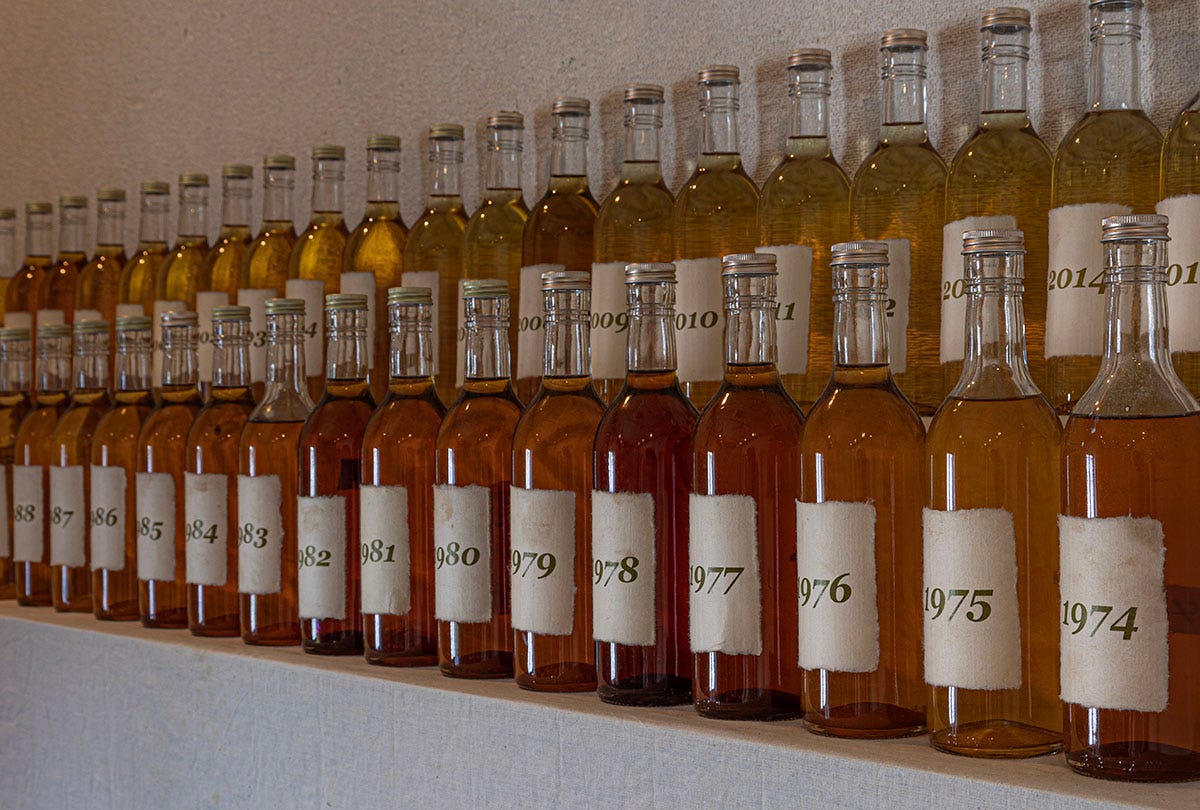
What comes to mind when you hear the words aged sake?
Many sake fans in Japan might find it too intense, or too expensive to approach. Wine lovers might think of aged sherry or old Madeira. Neither reaction is wrong.
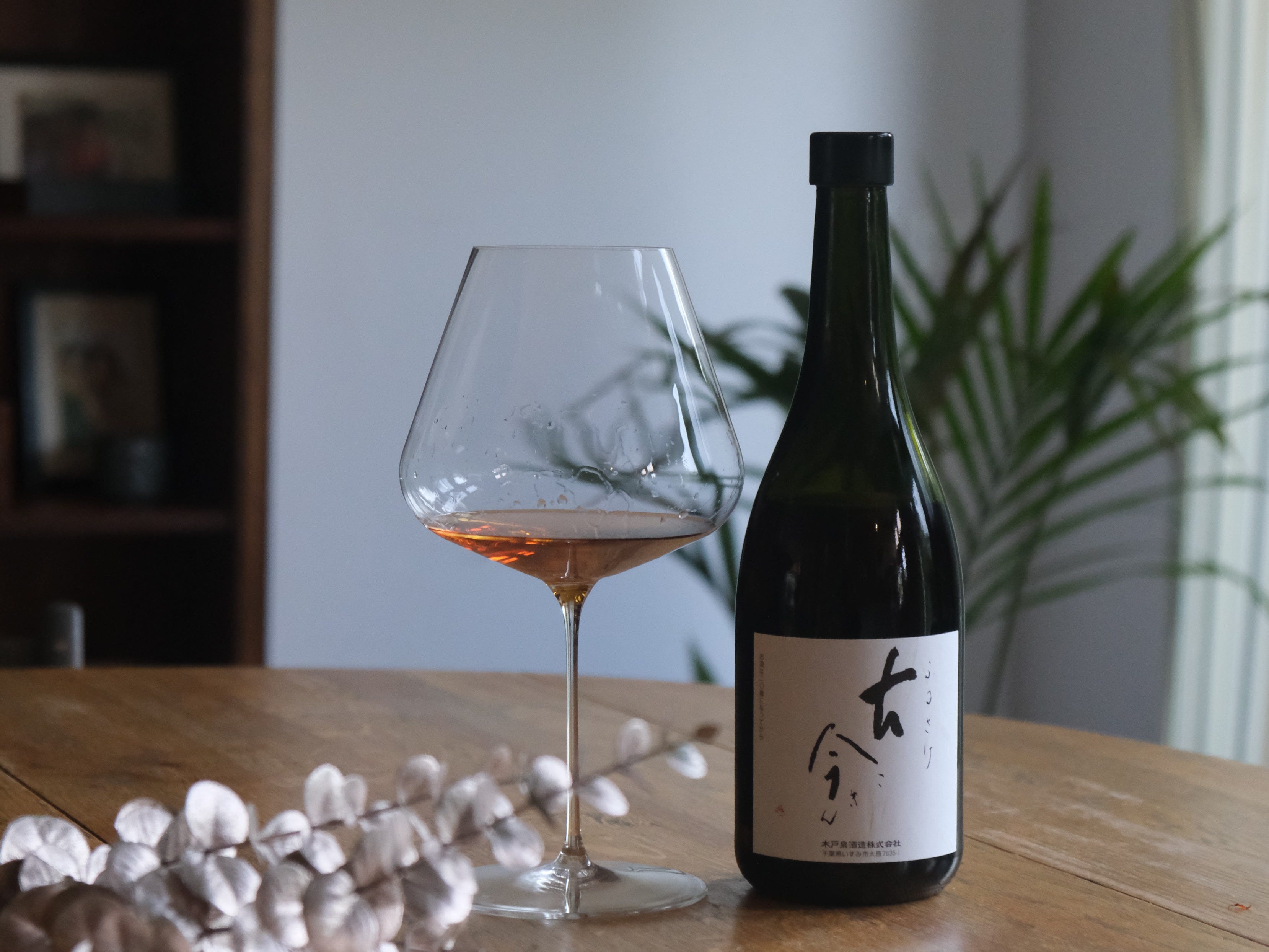
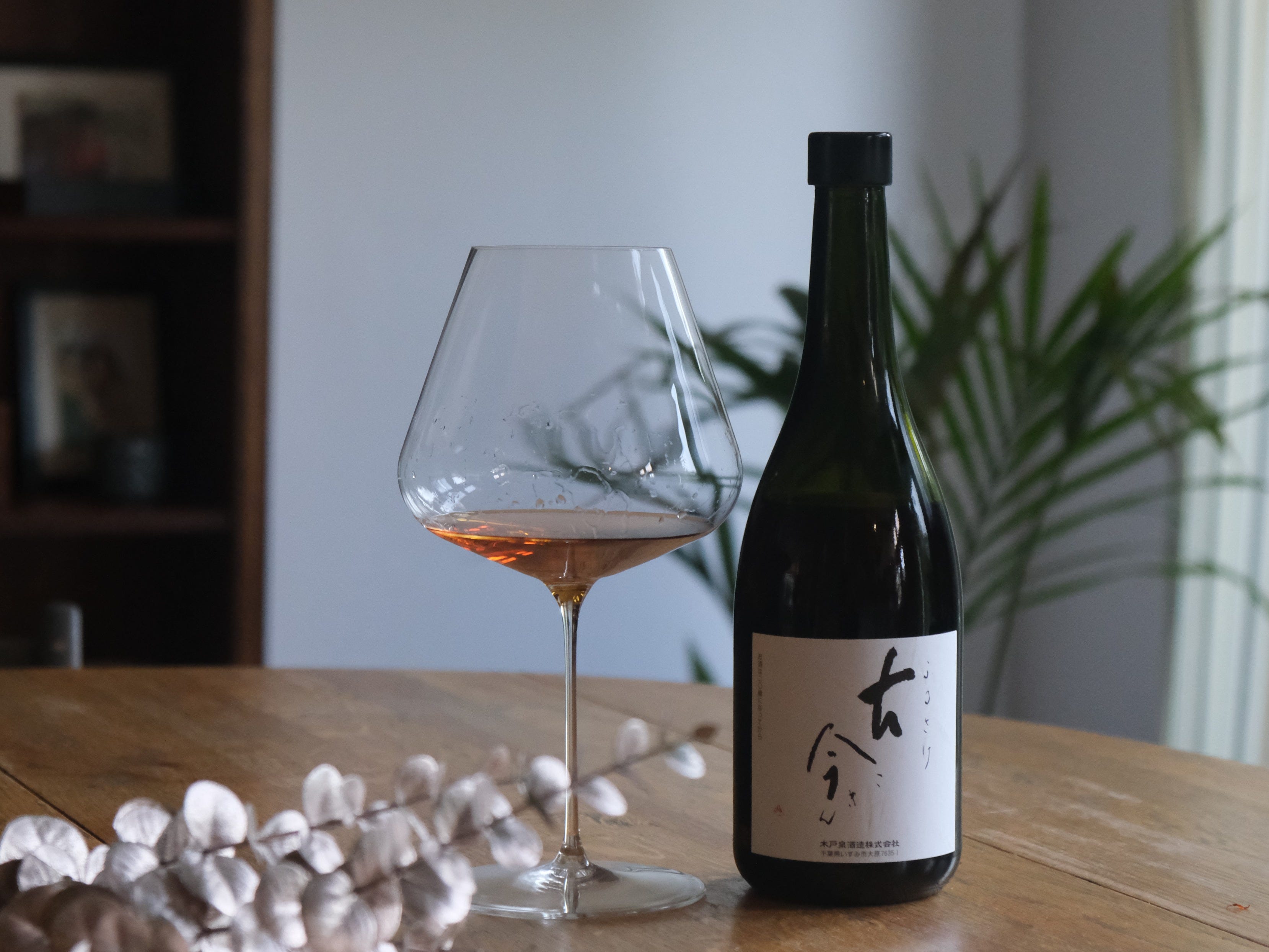
I first encountered Kokin at a wine shop in the Netherlands. Not a sake specialist — a wine shop, where a few bottles sat quietly on one corner of the shelf. A sommelier friend pointed it out. He is not a sake expert, but the word aged sake caught his attention and he bought a bottle. “It has a rancio character,” he said (*1). I tasted it, and the depth surprised me. From that moment, the sake stayed on my mind.
(*1) Rancio is an aroma found in wines that age oxidatively, particularly in southern France. Long maturation through oxidation and heat produces notes of leather, wax, and strong coffee.
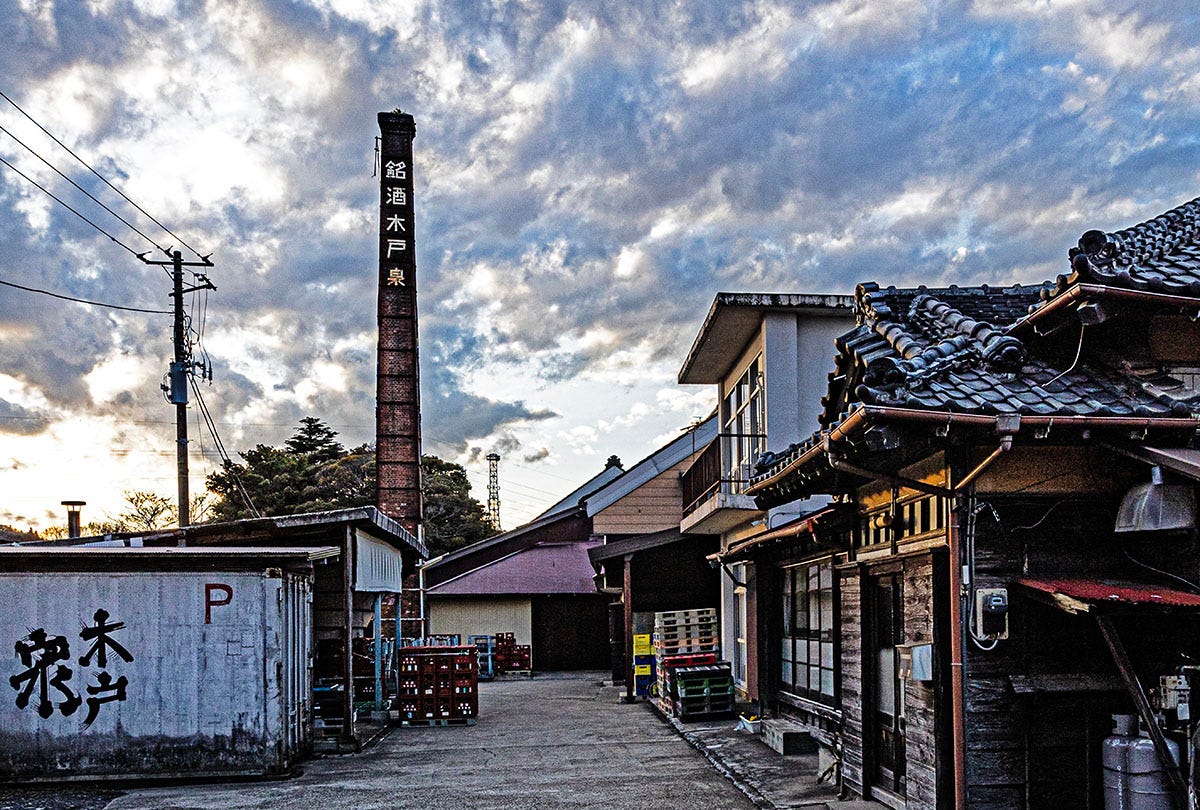
Isumi City, 1879
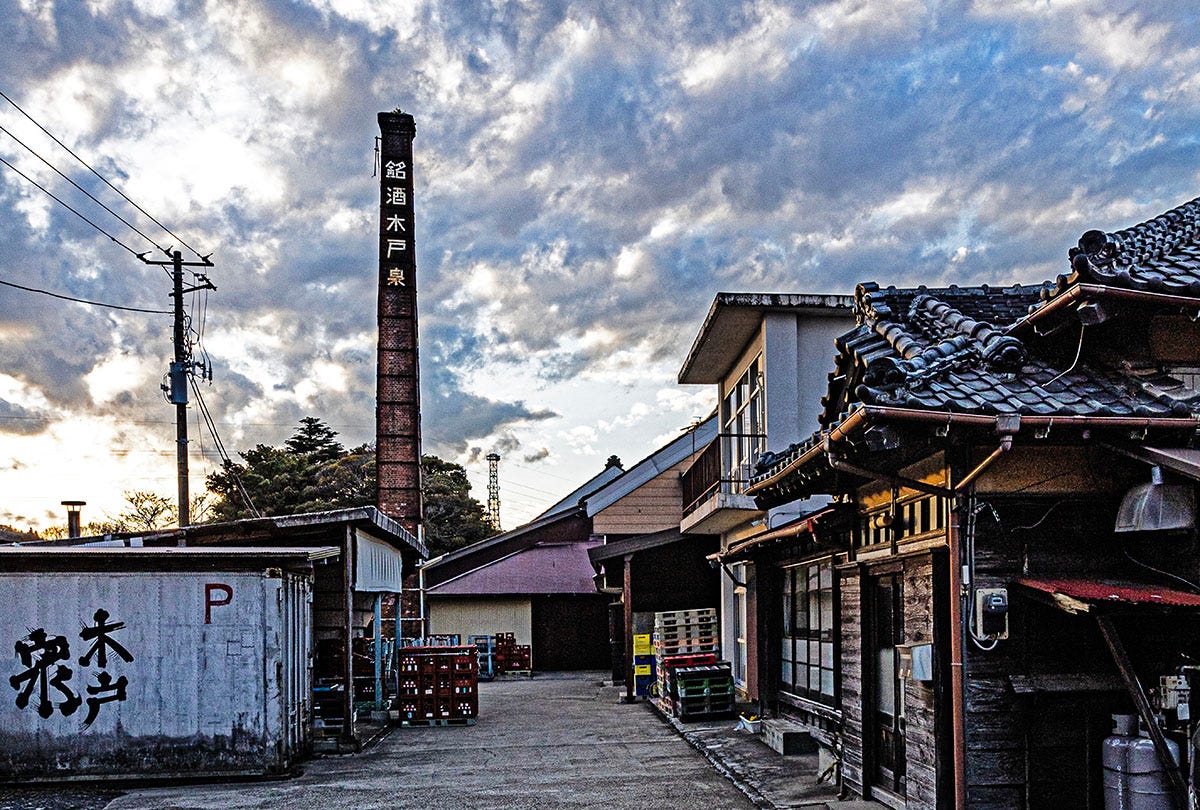
Kidoizumi Shuzo started in 1879 in Isumi City, a coastal town in Chiba Prefecture, east of Tokyo.
The person who built the foundation of the brewery’s current approach was Isamu Shoji, the third-generation owner and grandfather of the current fifth-generation owner. In 1956, he completed a proprietary brewing method called koon yamahai — a high-temperature variation of the traditional yamahai fermentation starter — and Kidoizumi committed fully to sake designed for long ageing.
The starting point was war.
Isamu served in Siberia. Adulterated sake — mixed with additives and fillers — circulated widely on the front. He knew this and did not drink it. His fellow soldiers did, to keep their spirits up. After returning home safely, many of those soldiers fell ill. Some suffered organ damage. Some lost their sight.
Isamu ran a sake brewery. He made a decision. “The sake I make must never harm the body. Sake should enrich both the mind and the body.”
So he set out to brew without additives. And he concluded that sake without additives should also resist deterioration over time. Lower-quality sake breaks down faster. The reverse holds too: sake that survives ageing is, by definition, good sake.
The koon yamahai method developed as the means to reach that goal.
The historical context makes the decision look bold. In 1956, triple-volume sake — made by adding large amounts of alcohol and sugar to stretch the volume — dominated the market. While the industry competed to produce more, this brewery asked a different question: how do we make sake that lasts?
What Is Koon Yamahai?
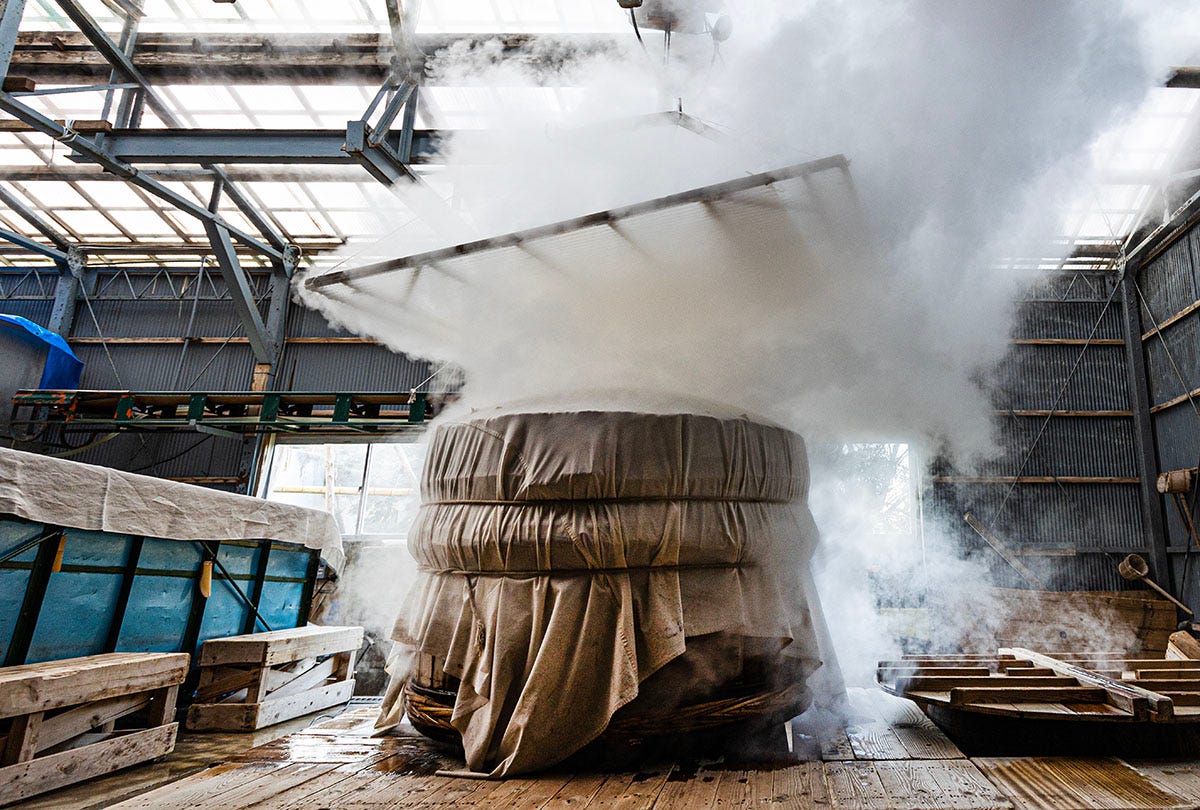
Yamahai is a traditional method that cultivates natural lactic acid bacteria to build the fermentation starter. About 90 percent of sake adds lactic acid directly — a faster, more stable route. Yamahai takes more time and effort, but produces a richer acid profile. Kidoizumi takes this further with its own evolved version: koon, or high-temperature, yamahai.
Standard yamahai begins at low temperature. Kidoizumi does the opposite. It raises the temperature high enough to sterilise the tank, then allows only the microorganisms needed for brewing to take hold. Without competing bacteria, lactic acid bacteria work freely, producing a fermentation starter with a high proportion of lactic acid. Shoji describes the result of lactic acid as “not a sharp acid — a mellow one.” The high temperature also speeds up saccharification, so the fermentation starter completes in two weeks instead of the usual month. Shoji calls the method “very hybrid” — and it is.
Today the brewery adds no yeast either. Everything relies on the microorganisms that live in the brewery itself. The system Isamu built seventy years ago now runs through the building.
Ageing by Design
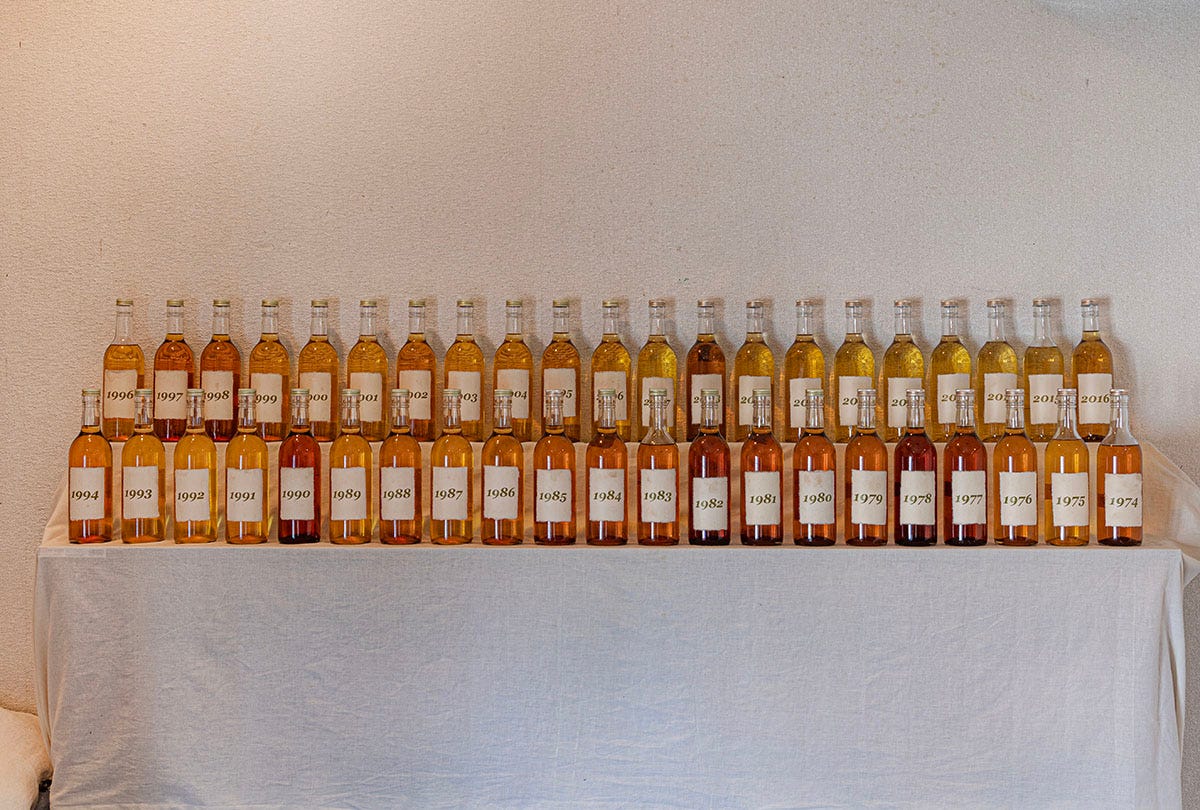
Lactic acid performs best at higher temperatures. The higher the cumulative heat exposure over time, the faster maturation progresses. This is why Kidoizumi stores its sake at room temperature rather than in a cool cellar.
The brewery’s defining characteristic is treating ageing not as an outcome but as a goal. Kokin uses only Yamada Nishiki rice, milled to 60 percent, fermented to 18 percent alcohol. No water added. The sake matures in bottle, limiting oxygen contact and allowing change to build slowly.
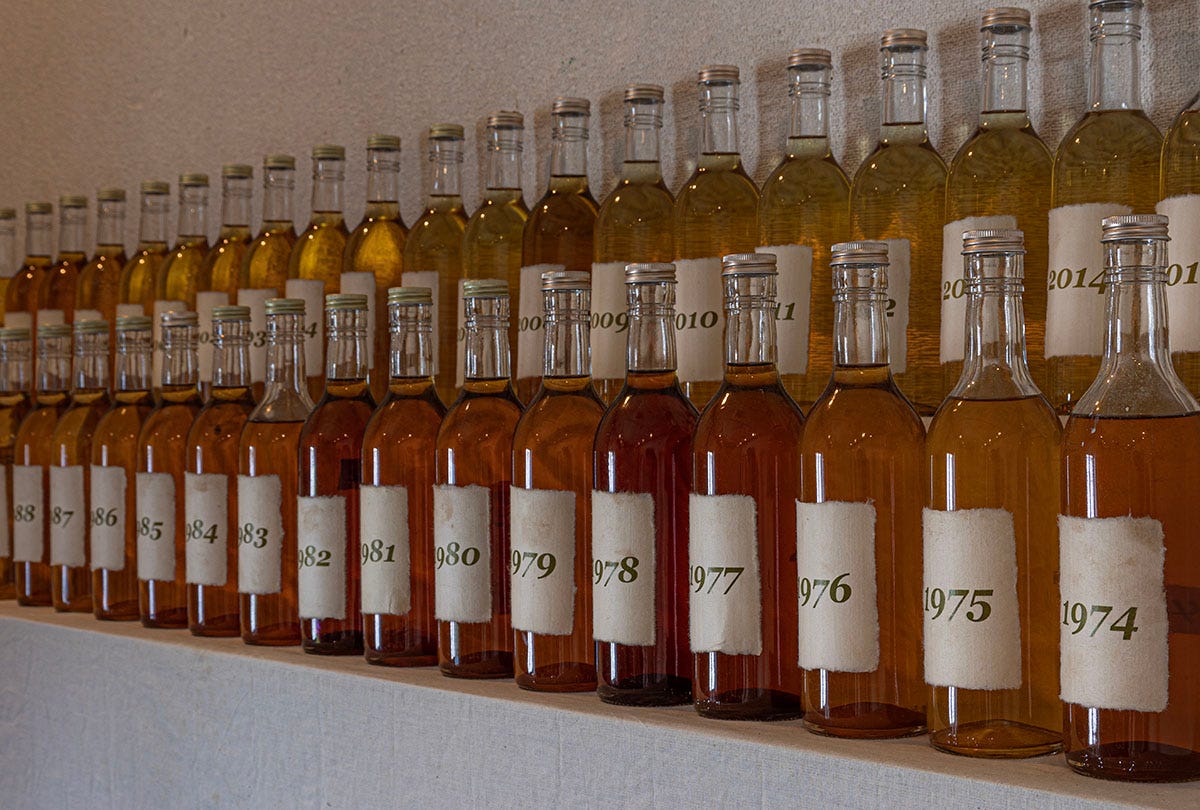
The brewery still holds a few bottles of base sake from the 1960s. The oldest commercially available product dates to 1971. Shoji mentioned plans to release the 1971 vintage later this year. “The price will be quite extreme,” he said, with a slight laugh. Time has a price. In the wine world, this is obvious. The same logic will likely take hold in sake too.
Attention to Raw Materials
All rice comes from natural farming — no pesticides, no chemical fertilisers. The brewery sources from six contract farmers, including rice grown by Fumio Shoji, the fourth-generation owner, locally in Isumi. The varieties include Hana Fubuki, Yamada Nishiki, and Kame no O, five varieties in total, from growing regions spanning northern to western Japan.
Shoji prioritises natural farming over terroir. “Rice is a commodity that moves around. I do not believe local rice is necessarily the best.”
Even the rice for koji — the mould-inoculated rice that drives fermentation — follows the same logic. The brewery sends its contract-grown rice to a koji specialist and asks them to use that specific rice. “Not for the flavour,” Shoji says. “Because I want to account for every ingredient’s origin.” No other brewery does this, as far as he knows.
Kokin as an Ensemble
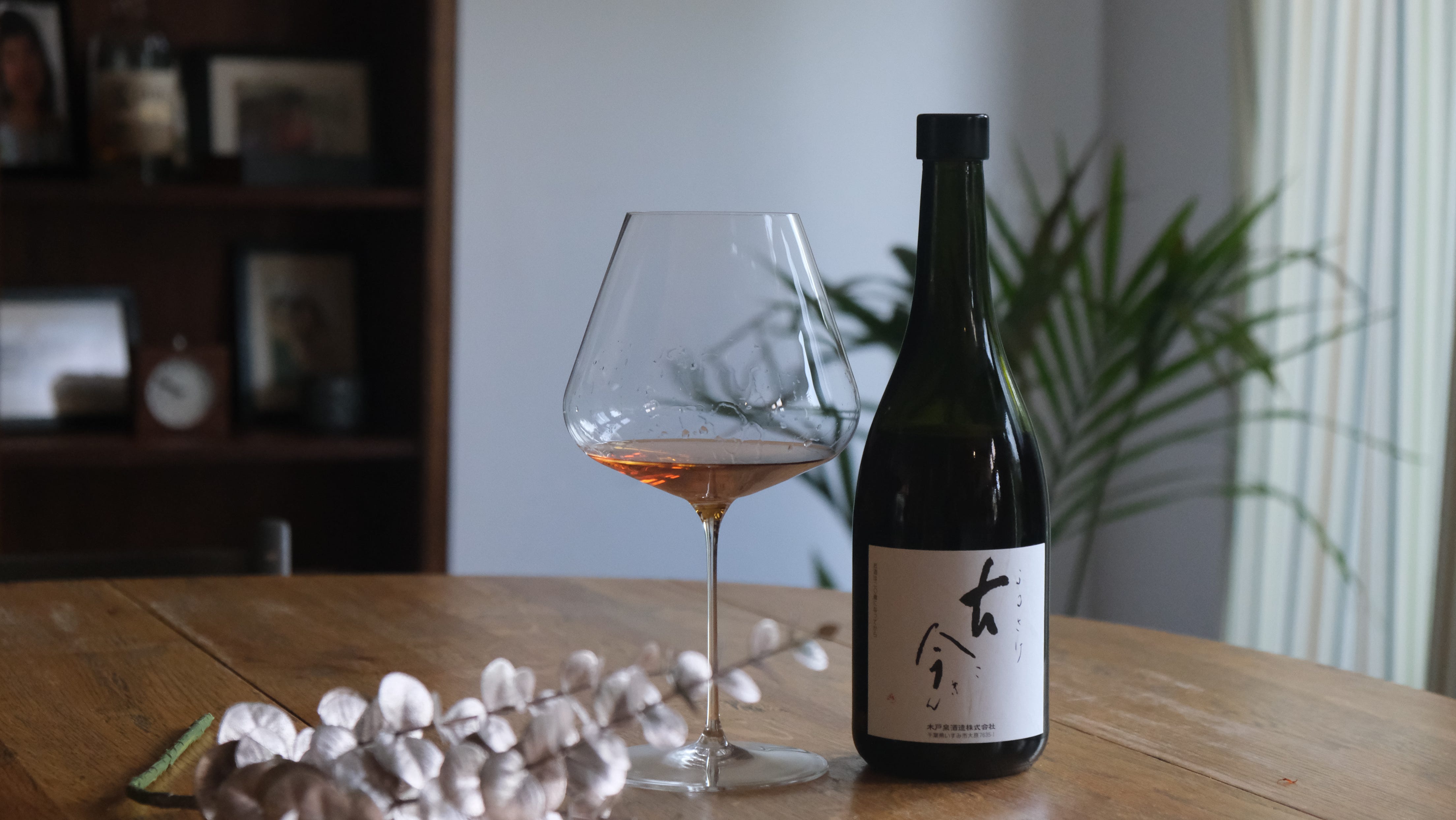
Kokin is a blended sake.
Shoji selects three to five base sakes aged between twenty and thirty years, then blends them by taste. The base sakes share the same variety, milling ratio, and alcohol level, but differ in vintage and growing region. The goal is to maintain a consistent flavour profile year after year — what Shoji calls “the Kokin character.”
Hearing this, I immediately thought of non-vintage Champagne. Major houses blend multiple vintages to keep a stable style from year to year. Kokin follows the same logic. Preserving the style of Kidoizumi’s aged sake takes priority over expressing any single year.
Blending does not simply mean picking the best base sakes, Shoji explains. Among fifty years of stock, a small addition of a particularly powerful base sake can pull the whole blend together. “It might be similar to blending whisky,” he said. “Combining base sakes with different characters completes something new.”
The brewery also plans to launch a single-vintage, single-tank line. Each vintage will release young and can be tracked as it matures. Buy a bottle, set it aside, open it years later. For wine lovers, this is a familiar pleasure — now available in sake.
Tasting: Kokin, Blend Centred on the 1999 Vintage
Shoji recommends a glass that opens the aromas. I chose a Burgundy-style glass.
The colour is bronze shading to pale amber. Light through the glass makes it shift softly.
The nose is not driven by one note — it builds quietly. Caramel and soy sauce come first, then hazelnut and walnut. Dried fig, raisin, dates. Coffee, cacao, a smoky edge. Spice, leather. Further back, something like dashi — umami in vapour form — and an earthy note of mushroom.
What strikes me is that the layers do not arrive all at once. Given time in the glass, new faces appear slowly. The sake does not rush. That quality comes through in the nose before anything else.
On the palate: medium body, neither heavy nor light. Medium dry. A mellow lactic acid holds the structure and rounds out the 18 percent alcohol. Not a sharp acid — a supporting one. Soy umami and a faint salinity define the edges.
The finish is long. The layers from the nose carry through. The depth increases in the aftertaste. The closest wine reference might be aged Grenache, or an Oloroso Sherry. Kokin is leaner than either, and its acid stands out more clearly. That acid is what makes it work as a food sake.
In Closing
Koshu sits among the hardest sake categories to explain. The complexity of the aromas, the depth of colour, the density of flavour. For anyone used to the lighter, fresher styles that dominate the Japanese market, it can feel unfamiliar.
But Kokin is a style wine lovers already know. Rancio character, acid-driven structure, long finish. Anyone comfortable with aged sherry or older vintages of wine already has the vocabulary for what happens in this glass.
Kidoizumi has exhibited at RAW Wine, a natural wine fair held in Tokyo, for the past three years. Watching the response from wine-oriented visitors, Shoji says: “I believe our sake speaks directly to wine lovers.” That reads as a statement of fact, not a sales pitch.
The brewery does not publish milling ratios on its labels. It does not release analysis figures. It does not follow trends. For nearly seventy years, it has returned to the same question: what does sake without additives, built to survive time, actually look like?
At the end of the interview, I asked Shoji for a message to sake lovers outside Japan. “Everything we make starts from one idea: sake should enrich the mind and the body,” he said. “I genuinely hope it brings happiness to everyone who opens a bottle.”
A koshu made without additives, given time, honest to its ingredients. It is worth finding.
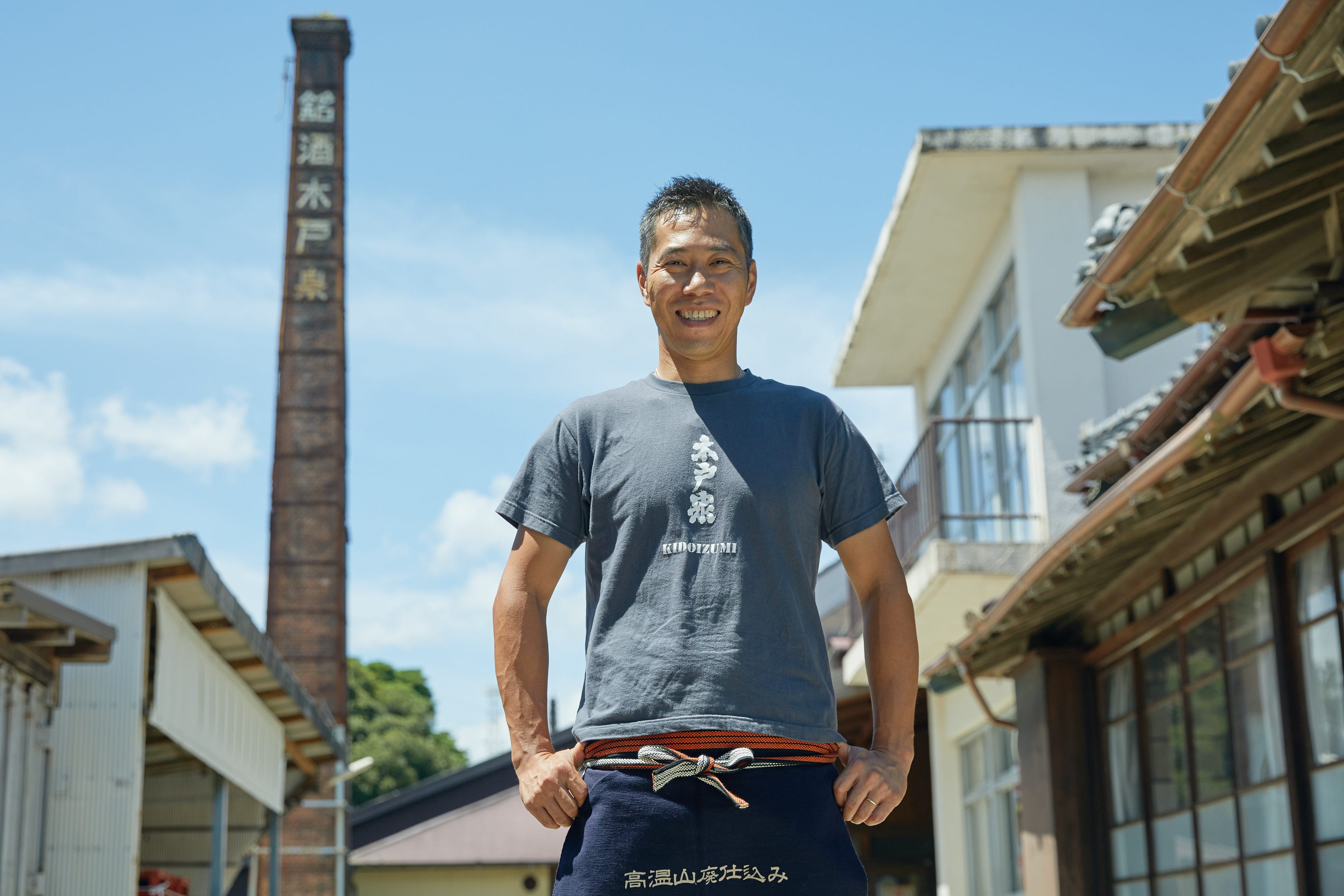
Kidoizumi Shuzo Co., Ltd. Isumi City, Chiba Prefecture, Japan.
Kokin is available through Yoigokochi, a Netherlands-based sake importer that distributes across Europe, the United States, and Canada. Visit their website to find a distributor near you. A special thank you to Dick at Yoigokochi for making this possible, and to Hayato Shoji at Kidoizumi Shuzo, for his time during our interview.
This article draws on an online interview conducted in May 2025. Tasting notes reflect my own independent assessment prior to the interview. Factual details come from the brewery’s official website and information provided directly during the interview.
日本酒インタビュー #15:木戸泉酒造
添加物を手放し、時間を信じた七十年
千葉県いすみ市 / 木戸泉酒造株式会社
古酒(こしゅ)と聞いて、何を想像するだろうか。
日本の日本酒ファンの多くは、もしかすると「個性的すぎる」という印象を持つかもしれない。あるいは、高価で近寄りがたいもの、と。ワインラバーであれば、熟成シェリーや古いマデイラを思い浮かべる人もいるだろう。どちらも、間違いではない。
私が古今(こきん)を最初に知ったのは、オランダのワインショップでだった。日本酒専門店ではなく、ワインショップの棚の一角に、ひっそりと並んでいた。教えてくれたのは仲良くしているソムリエだ。彼は別に日本酒の専門家ではないが、古酒という言葉に惹かれて購入したそうで、こう言った。「ランシオ(*1)の香りがする」。飲んで、その深みに驚いた。その瞬間から、この酒のことが頭を離れなかった。
(*1)南フランスの酸化的熟成をしたワインに出てくる香り。木樽熟成中の酸化や加熱処理によって長期間熟成することで、革、ワックス、強いコーヒーのような香りが出ると言われている。
1879年、いすみ市の一角で
木戸泉酒造は明治十二年(1879年)、千葉県外房の地・いすみ市に創業した。
今の酒造りの根幹を築いたのは三代目蔵元・荘司勇(いさむ)、現五代目・荘司さんの祖父にあたる人物だ。昭和三十一年(1956年)、彼は「高温山廃仕込み」と呼ばれる独自の製法を完成させ、木戸泉酒造は、熟成を前提とした酒造りへ舵を切った。
その発端は、戦争だった。
祖父はシベリアに出兵した。戦地では、混ざり物の多い酒が当たり前のように出回っていた。祖父はその現実を知っていたので、飲まなかった。しかし周りの戦友たちは、気持ちを鼓舞するために飲んだ。戦争が終わり、無事に帰国したあと、その戦友たちに体を壊す人が相次いだ。内臓を痛めた人、目が見えなくなった人。
自分の生業が酒造りだった祖父は、そこで決めた。「自分が造るお酒で人の体をむしばむものであってはいけない。お酒は人の心も体も豊かにするものでなければいけない」。
だから、添加物に頼らない酒を造ろうとした。そして添加物に頼らない酒とは、時間が経っても劣化しない酒であるべきだと考えた。品質の低い酒ほど早く崩れる。逆に言えば、熟成に耐えられる酒こそが、本当に良い酒だということだ。
そのための手段として開発されたのが、高温山廃仕込みだった。
時代背景を考えれば、この判断がいかに大胆だったかがわかる。1956年は、三倍増醸酒(アルコールや糖類を大量に添加して量を増やした酒)が全盛の時代だ。業界が「いかに増やすか」を競っていたその頃に、この蔵は「いかに長く保つか」を問うていた。
高温山廃仕込みとは何か
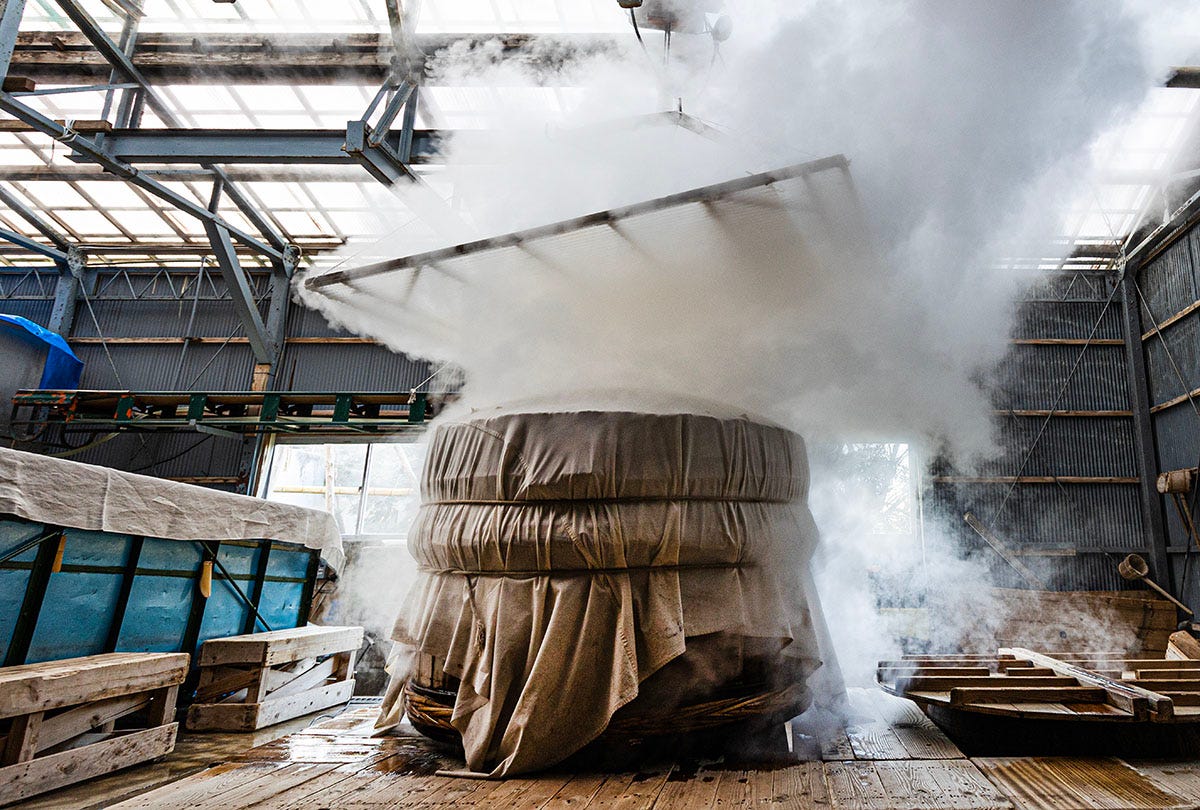
山廃仕込み(やまはい)は、自然の乳酸菌を育てながら酒母(しゅぼ)を作る伝統的な手法だ。9割程度の日本酒は乳酸を直接添加するが、山廃はその手間をかけた選択肢にあたる。木戸泉はさらにそこから独自に進化させた「高温」山廃を用いる。
通常の山廃は低温で仕込み始めるが、木戸泉はその逆を行く。高温でタンクを一旦無菌状態にしてから、酒造りに必要な微生物だけを取り込む。雑菌の競合がない環境で乳酸菌が優位に働くため、乳酸の比率が高い酒母ができる。それは「刺さる酸ではなく、まろやかさのある酸」と荘司さんは言う。高温は糖化も促進するため、通常1ヶ月かかる酒母が2週間で完成する。「すごくハイブリッドな方法」という表現が、この製法をよく言い表している。
現在は酵母も無添加。すべて蔵付きの菌に委ねている。七十年前に祖父が築いた仕組みを、今は蔵そのものが引き継いでいる。
熟成を、最初から設計する
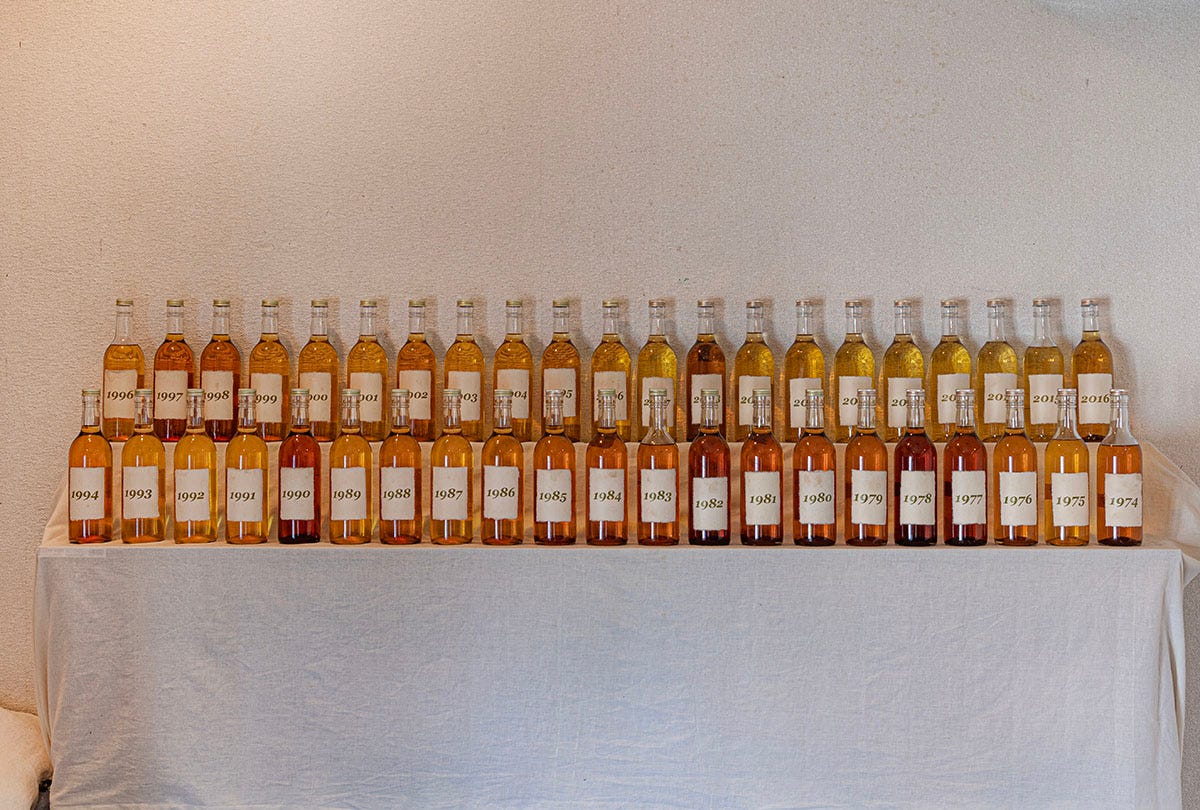
乳酸は温度が上がることで本領を発揮する酸で、積算温度が高い環境ほど熟成が進みやすい。木戸泉が熟成環境をあえて常温に保つのも、そのためだ。
木戸泉の最大の特徴は、熟成を「結果」ではなく「目的」として醸造していることだ。古今に使うのは山田錦のみ、精米歩合60%、アルコール度数18%の原酒。加水しない。熟成は瓶でおこなわれ、酸素との接触を最小限に抑えながら、変化をゆっくりと積み重ねていく。
蔵には1960年代の原酒が数本残っているという。商品として流通しているものは1971年から。今年の夏以降には、その1971年ものを製品化する予定だと荘司さんは話した。「めちゃくちゃな値段になりますけど」と、少し笑いながら。時間には、値段がつく。ワインの世界では当然のことが、日本酒でも当たり前になる日は、そう遠くないと思う。
原料へのこだわり
使用米は全量自然栽培。四代目蔵元・荘司文雄(ふみお)さんが地元で作る米を含み、契約農家6軒から、華吹雪、山田錦、亀の尾など5種類の品種を仕入れる。産地は青森から兵庫まで全国にわたるが、荘司さんが優先するのはテロワールより「自然栽培であること」だ。麹菌培養に使う玄米も契約農家のものを麹屋に送り、その米で作ってもらう。「原材料の所在を明らかにしたいから」と荘司さんは言う。出自まで一貫して管理するこの方式、ほぼ他に例がないという。
アンサンブルとしての古酒
古今はブレンドされた酒だ。
20年から30年ほどの原酒を3〜5種組み合わせ、荘司さん自身が味を見ながら仕上げる。条件を揃えた原酒を、年度や産地を少しずつ変えながら組み合わせる。目指すのは「古今らしい味わい」を毎年維持すること。
この仕組みを聞いて、真っ先にシャンパーニュが浮かんだ。ノン・ヴィンテージのシャンパーニュは、メゾンごとのスタイルを年ごとに安定させるために、複数ヴィンテージの原酒をブレンドして構成される。古今も同じ論理の上にある。特定の年のキャラクターよりも、「木戸泉の古酒」というスタイルを守ることが優先される。
ブレンドは、必ずしも状態のいい原酒だけを選りすぐるわけではないと荘司さんは言う。50年分の原酒がある中で、特別にパワーのある原酒をほんの少し加えることで、全体がぐっと引き締まる。「ウイスキーのブレンドに似ているかもしれない」と荘司さんは言った。「個性の違う原酒を組み合わせることで、一つのものが完成する」。
一方で今後は、単一年度・単一タンクの「ソロ」ラインも立ち上げる予定だという。若いヴィンテージから順次リリースし、熟成とともにその変化を追えるようにする。ヴィンテージを買い置き、数年後に飲む。ワインラバーにとっては当たり前のその楽しみ方を、日本酒で提案しようとしている。
テイスティング:古今(こきん)1999年ヴィンテージ近辺ブレンド
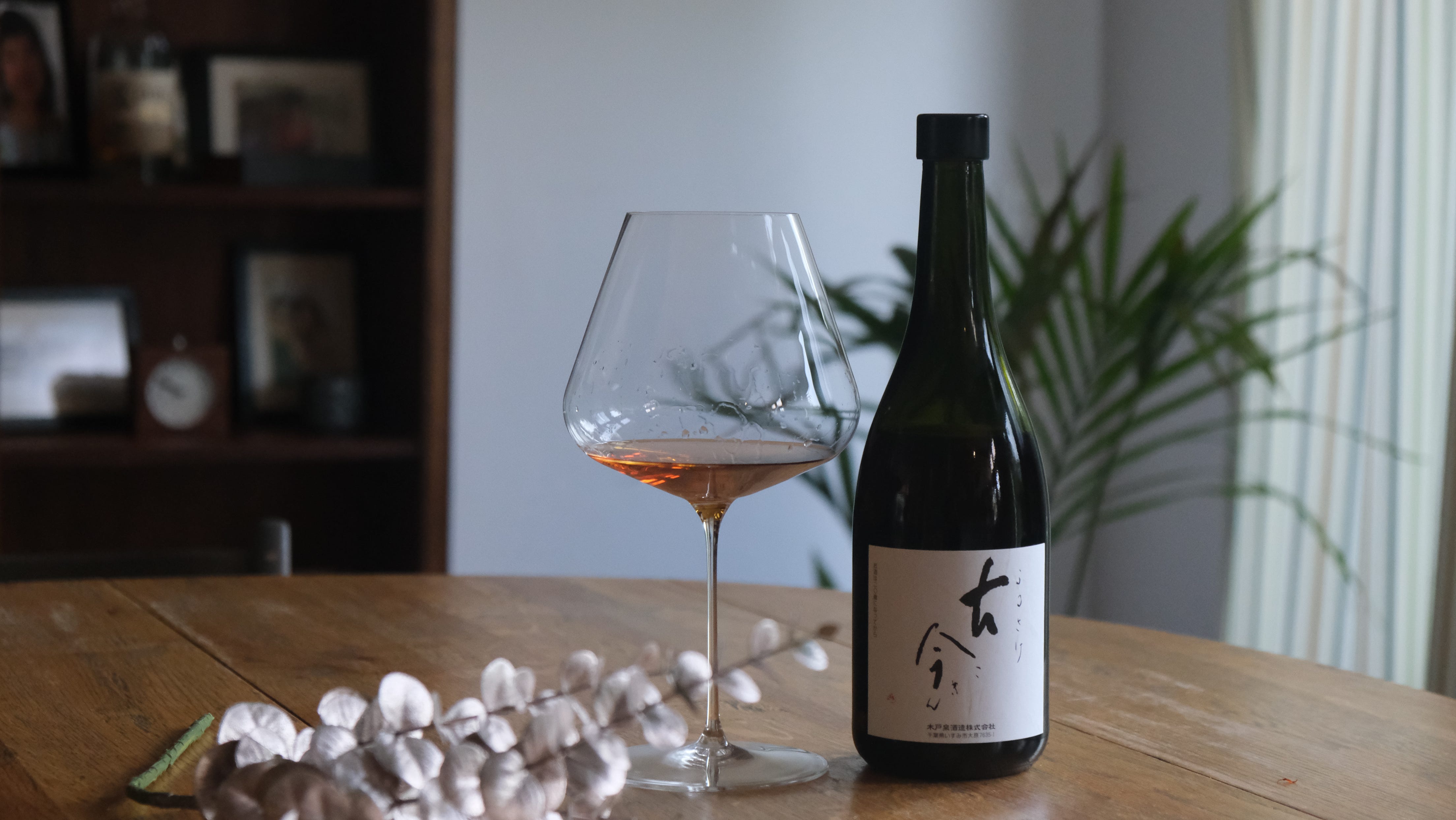
グラスは香りの深みを感じられるものがおすすめだそうだ。私は、ブルゴーニュ型を選んだ。
色はブロンズから淡いアンバー。グラスに光を通すと、その色がやわらかく揺れる。
香りは、突出した1つではなく、穏やかに深みがある。最初に感じるのはカラメルと醤油、続いてヘーゼルナッツとウォルナット。ドライフィグ、レーズン、デーツ。コーヒー、カカオ、スモーキーなニュアンス。スパイス、レザー。奥には出汁のようなうまみの気配と、マッシュルームの土っぽさも漂う。
印象的なのは、香りのレイヤーが一斉に押し寄せてこないことだ。グラスを持ちながら時間をかけると、次の顔が少しずつ現れる。急がない酒、という印象は、香りの時点ですでに伝わってくる。
口に含むと、ミディアムボディ。重すぎず、軽すぎない。ミディアムドライ。乳酸由来のまろやかな酸が骨格を作り、18%のアルコールの存在感を包み込む。「刺さる酸」ではなく、「支える酸」。醤油のうまみ、ほのかな塩味が輪郭を作る。
フィニッシュが長い。香りで感じたレイヤーが、飲んだ後にも続く。余韻で深みが増している。ワインで例えるなら、熟成したグルナッシュ、あるいはオロロソシェリーに近い。ただし古今は、そのどちらよりも線が細く、酸が際立つ。その酸があるからこそ、食中酒として機能する。
おわりに
古酒は、日本酒の中でも最も説明が難しいカテゴリーのひとつだ。香りの複雑さ、色の深さ、味わいの濃度。日本で流通量の多い日本酒に慣れている人にとって、馴染みがないスタイルかもしれない。
しかし古今は、ワインラバーにとっては馴染みのあるスタイルだ。ランシオの香り、骨格を作る酸、長いフィニッシュ。熟成シェリーやヴィンテージワインに親しんでいる人であれば、このグラスの中で起きていることの多くに、すでに言葉を持っているはずだ。
木戸泉は3年前から日本のRAW wine(ナチュラルワインの国際イベント)に出店している。そこでのワインラバーの反応を見て、「うちのお酒はワインラバーの方に刺さるお酒だと自負しています」と荘司さんは言う。その言葉は、事実の描写だと思う。
木戸泉酒造は、派手さとは無縁の蔵だ。精米歩合をラベルに書かない。分析値を公開しない。トレンドを追わない。ただ、七十年近くにわたって同じ問いに向き合い続けている。「添加物に頼らず、時間に耐えられる酒とは何か」。
インタビューの最後に、海外の日本酒ラバーに向けたメッセージを尋ねた。「うちのお酒は、『心を豊かにする』という大事な言葉をもとにすべて作っています。飲んだお客様が幸せになることをすごく願っています。」と荘司さんは言った。
添加物を使わない、時間をかける、素材に正直な古酒。ぜひ手に取って味わってみて欲しい。
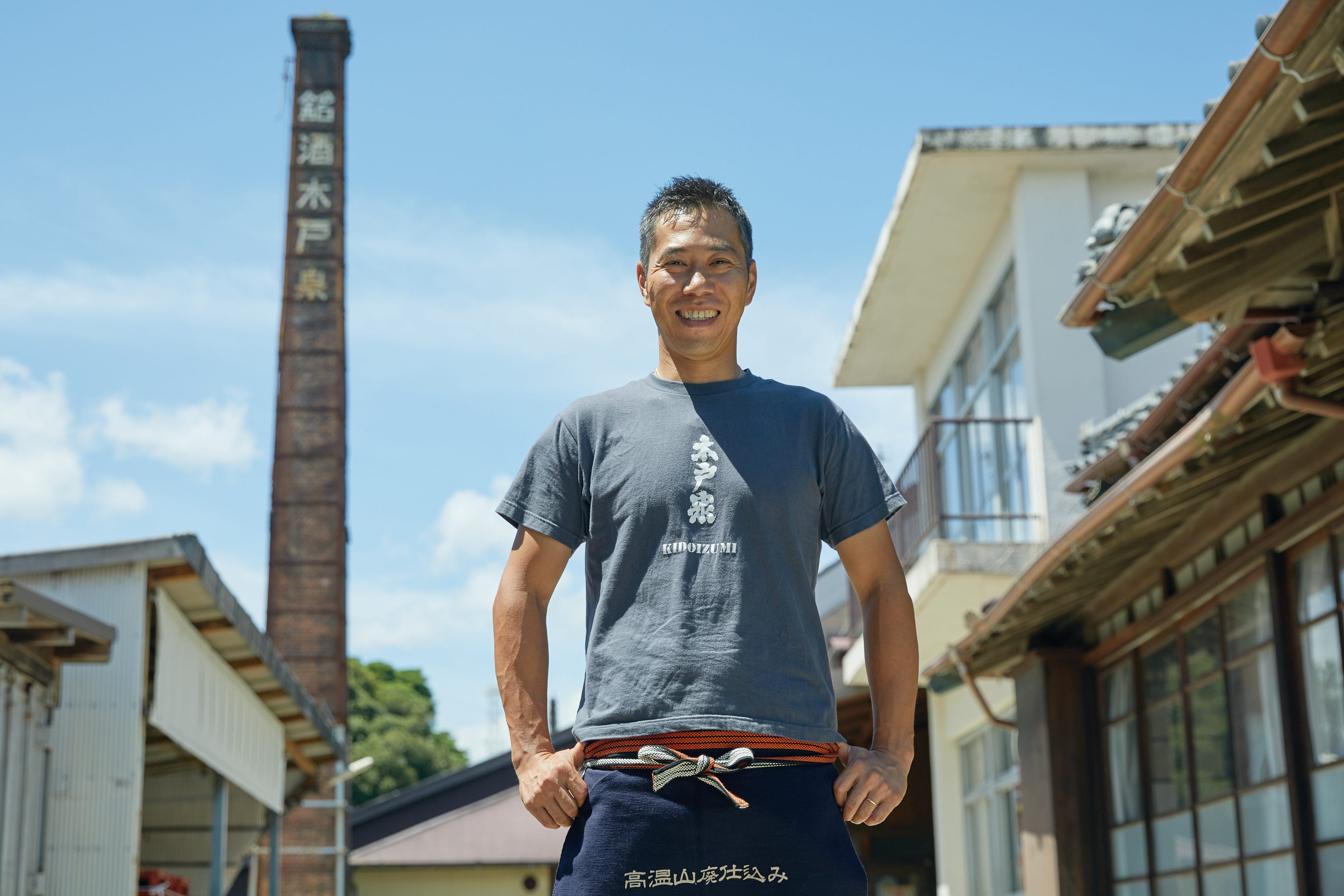
木戸泉酒造株式会社 千葉県いすみ市大原7635-1
古今はオランダを拠点とする日本酒輸入業者Yoigokochiを通じて入手できます。ヨーロッパ各国、アメリカ、カナダのディストリビューターと提携しており、お近くの取り扱い店はウェブサイトでご確認ください。この機会を作ってくれたYoigokochiのDickさんと、木戸泉酒造の荘司勇人さんに、改めて感謝を。
本記事は2025年5月にオンラインインタビューをもとに執筆しました。テイスティングは事前に個人で実施しています。基本情報は公式サイトおよびインタビュー時の一次情報をもとにしています。
今後の記事配信のためによろしければ無料購読していただければ幸いです。